Faces of Heritage is an international network of stores dedicated to authentic craft traditions and the people who keep them alive.
Each store follows the same research, authentication, documentation, and presentation standards. At the same time, every location is devoted exclusively to the cultural heritage of the country in which it operates — its makers, materials, techniques, stories, and regional traditions.
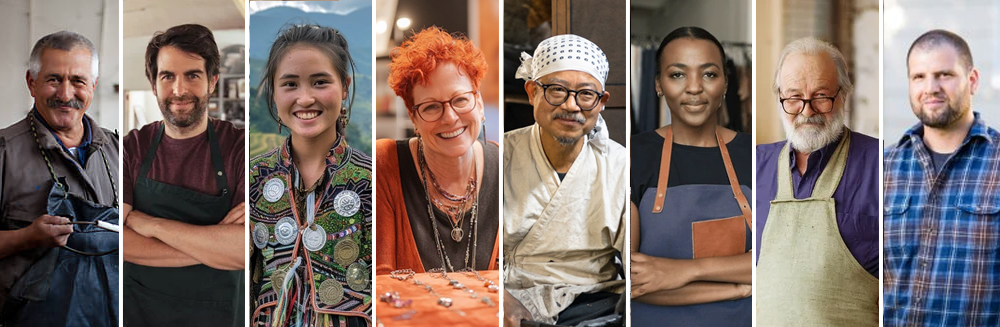
The name reflects one of the project’s central principles: every object should have a face.
Behind each piece is a real person — a craftsperson whose knowledge, skill, and experience give the object its meaning. Faces of Heritage makes that person visible, connecting every item to its maker, place of origin, cultural context, and story.
Our goal is to create a new kind of cultural retail space: one where people can discover genuine local craftsmanship, understand what they are buying, and take home not just an object, but a documented part of living heritage.
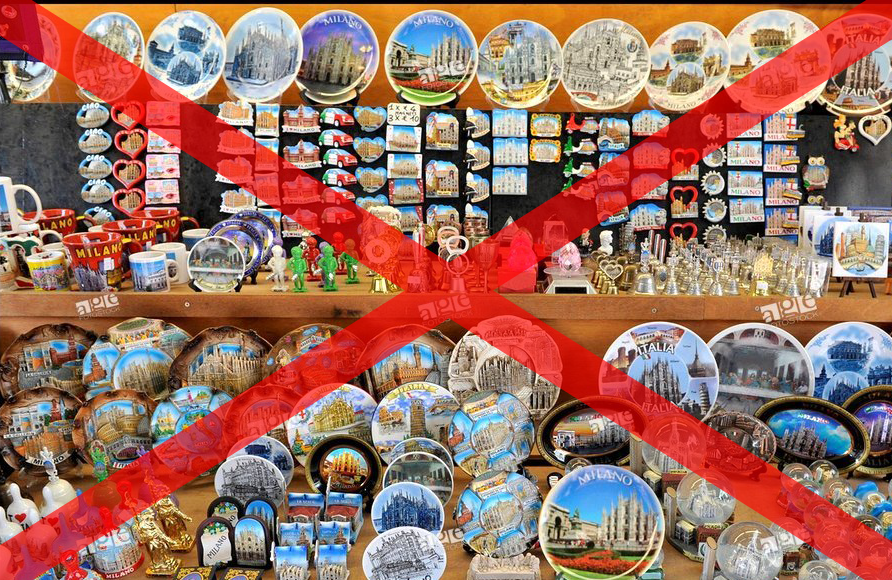
No Souvenirs
We believe cultural heritage deserves more than mass-produced souvenirs designed to imitate local traditions.
Faces of Heritage works with objects made by real craftspeople, using materials, skills, and knowledge connected to a particular place and community.
Not every traditional object must be old-fashioned, rare, or expensive. But it should have an honest origin, a meaningful connection to its culture, and a maker whose work deserves to be recognised.
No souvenirs. Only heritage you can hold.
Our Guides
Every craft has a story, but that story is often invisible when the object reaches the buyer.
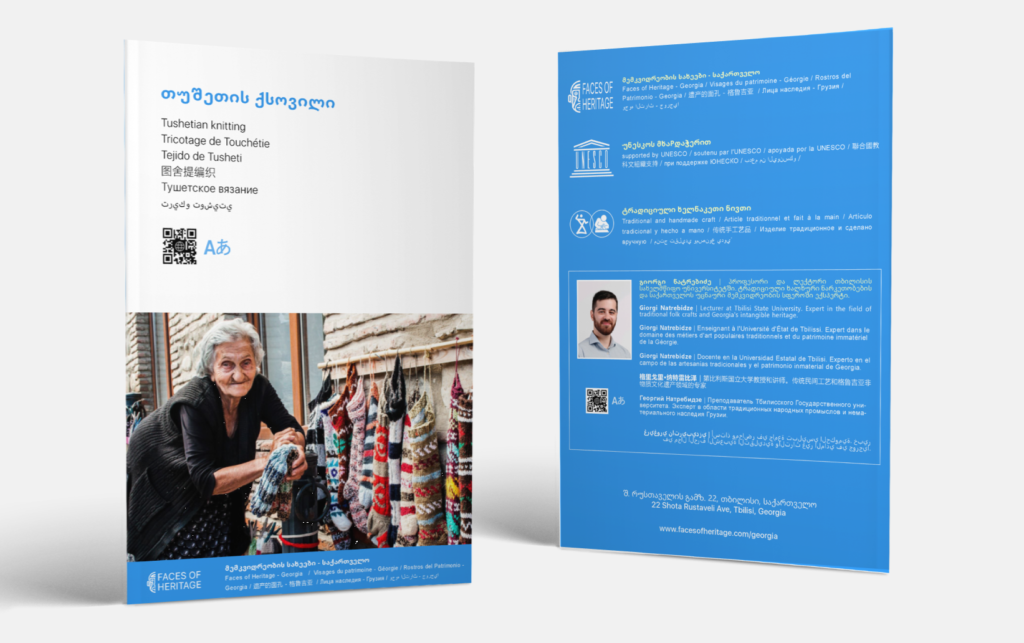
Our cultural guides reveal the people, places, materials, techniques, and traditions behind the works presented by Faces of Heritage. They help visitors understand how an object was made, what shaped its design, and what role it plays within its culture.
These guides are created through research, fieldwork, and collaboration with makers and local experts — turning every discovery into an opportunity to learn.
Inside the Space
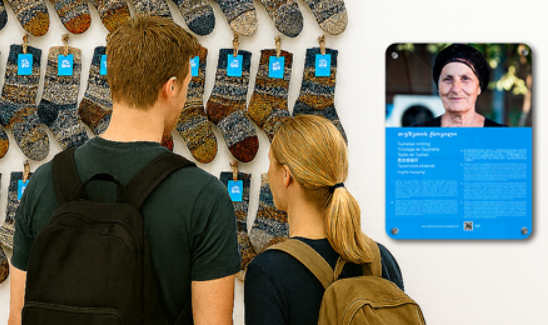
A Faces of Heritage store is not designed as a conventional souvenir shop.
It is a space for exploration, where objects are presented alongside the stories of their makers, materials, origins, and cultural significance. Visitors can move between regions and traditions, discover unexpected connections, and understand how crafts continue to evolve.
The experience combines the accessibility of a shop with the curiosity of a small museum — while ensuring that the objects remain part of living culture rather than becoming distant exhibits.
Modern crafts
Heritage is not frozen in the past.
Contemporary makers continue to reinterpret traditional skills through new forms, materials, functions, and personal ideas. Their work may not reproduce historic objects exactly, but it can still carry the knowledge, identity, and creative language of a place.
Faces of Heritage presents modern handmade work when its connection to the maker and cultural environment is genuine.
Tradition survives not only through preservation, but also through thoughtful change.
Craft passport
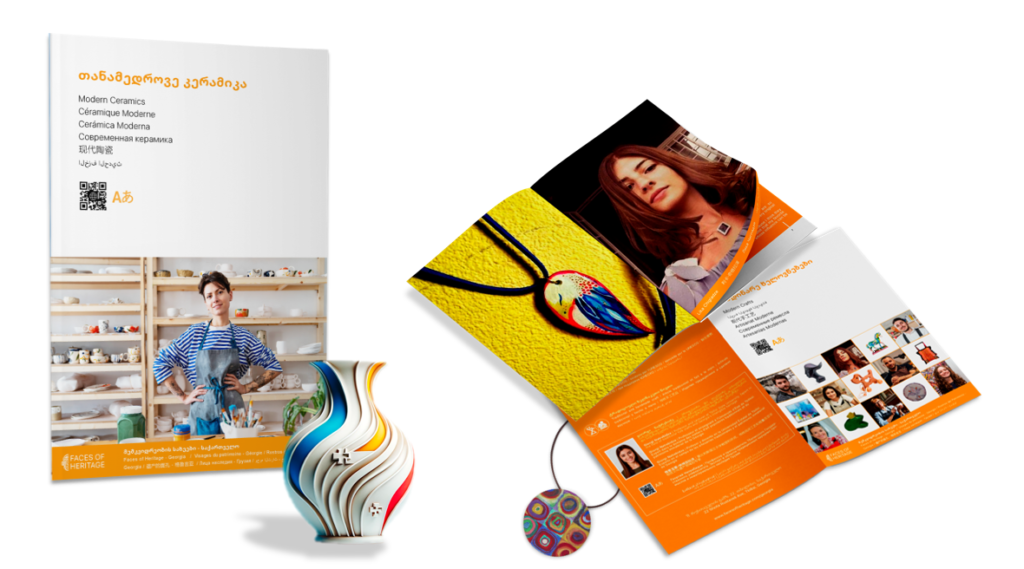
Every object selected by Faces of Heritage comes with its own Craft Passport.
It records the maker, place of origin, materials, techniques, cultural context, and story behind the piece. Whenever possible, it also includes photographs and information collected directly from the craftsperson.
The passport transforms an anonymous purchase into a documented encounter with a person and a tradition.
It also preserves knowledge that might otherwise disappear — allowing the story of the object to travel with it wherever it goes.
Research & authentication
Authenticity cannot be determined by appearance alone.
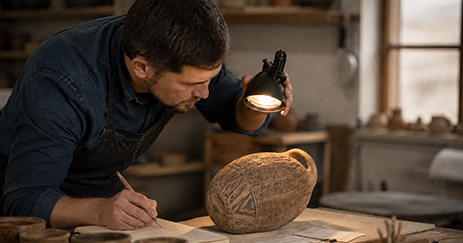
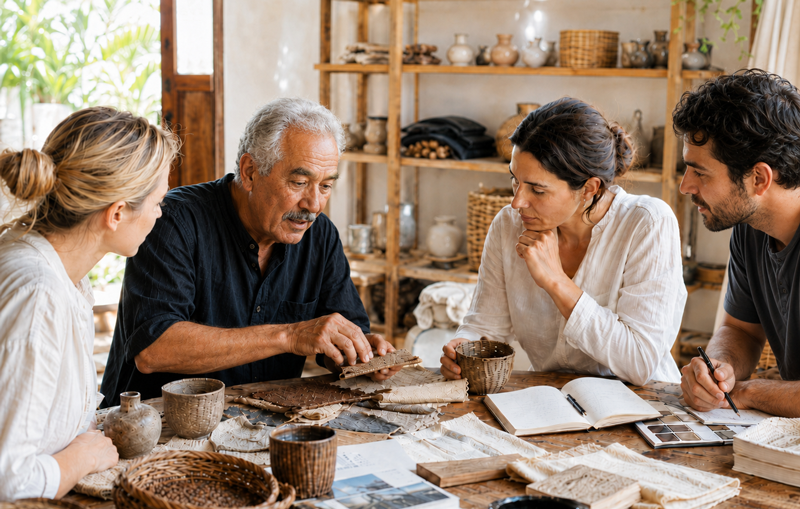
Before presenting a craft, we investigate its origin, maker, materials, production methods, and relationship to local tradition. Our research may include field visits, interviews, historical sources, museum collections, and consultation with regional experts.
The purpose is not to impose rigid rules on living traditions. It is to distinguish meaningful craftsmanship from misleading imitations and unsupported marketing claims.
Every conclusion should be transparent, documented, and open to further discovery.
Finding Makers
Many remarkable craftspeople remain far beyond established tourist routes and international marketplaces.
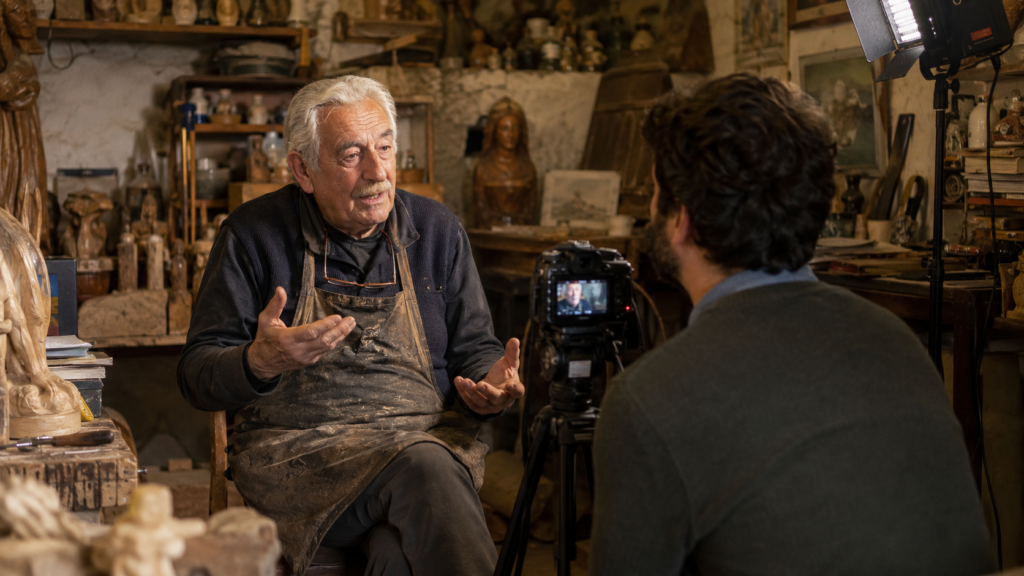
We find them through field research, local recommendations, cultural institutions, researchers, and conversations within communities. Sometimes the search leads to a workshop in a capital city; sometimes to a small village where knowledge has been passed between generations.
Our goal is not simply to source products. It is to build lasting relationships, document knowledge, and give makers greater visibility without separating their work from its cultural context.
Beyond Crafts
Craft heritage can travel in many forms.
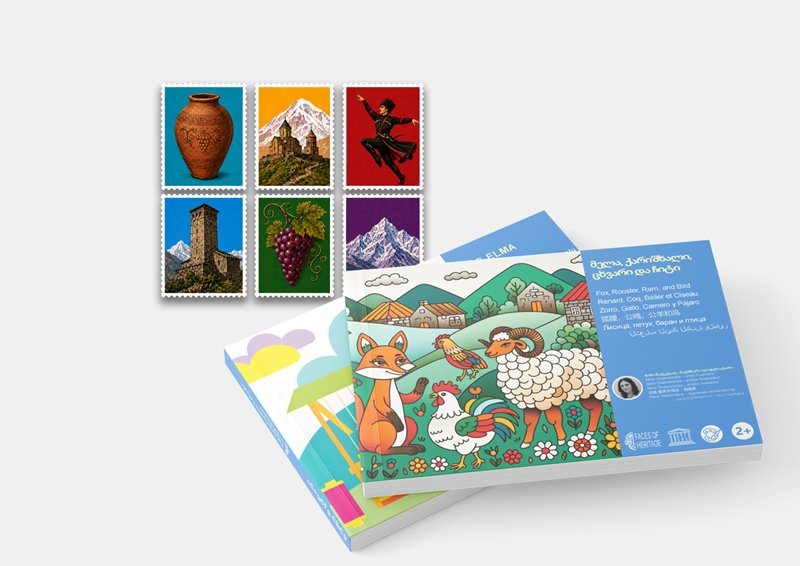
Alongside handmade objects, Faces of Heritage develops books, cultural stories, visual materials, and collectible stamps inspired by makers, techniques, symbols, and regions.
These projects allow people to encounter craft traditions even when they are not purchasing an object. They also create new ways to document research, share overlooked stories, and support cultural discovery.
The object may be the starting point, but the wider story reaches far beyond it.
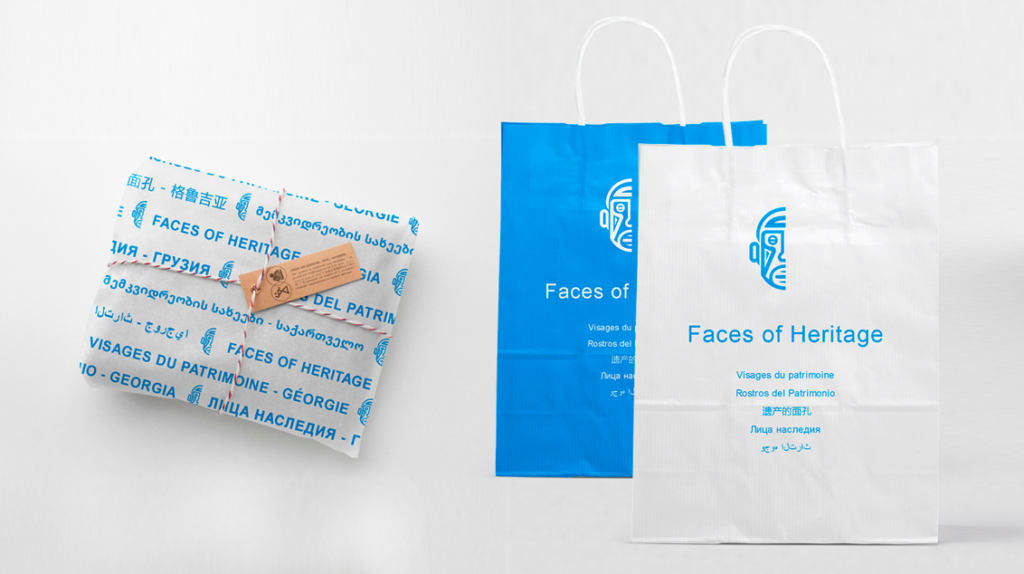
Packaging & Delivery
The journey of an object does not end when it leaves the maker’s workshop.
Our packaging is designed to protect each piece while preserving the sense of discovery that surrounds it. The Craft Passport and accompanying materials ensure that the maker, origin, and story remain connected to the object throughout its journey.
We aim to use responsible packaging solutions and reliable delivery methods suitable for handmade works.
Wherever an object travels, it should arrive safely — and with its identity intact.
Partner With Us
Faces of Heritage is being built through research, collaboration, and a shared belief that traditional crafts deserve a stronger future.
We welcome dialogue with makers, researchers, museums, cultural organisations, designers, investors, retailers, and others who recognise the cultural and economic value of authentic craftsmanship.
Partnership may take many forms: field research, expert consultation, documentation, exhibitions, distribution, funding, or the development of new Faces of Heritage locations.
If our mission resonates with you, we would be glad to begin a conversation.